
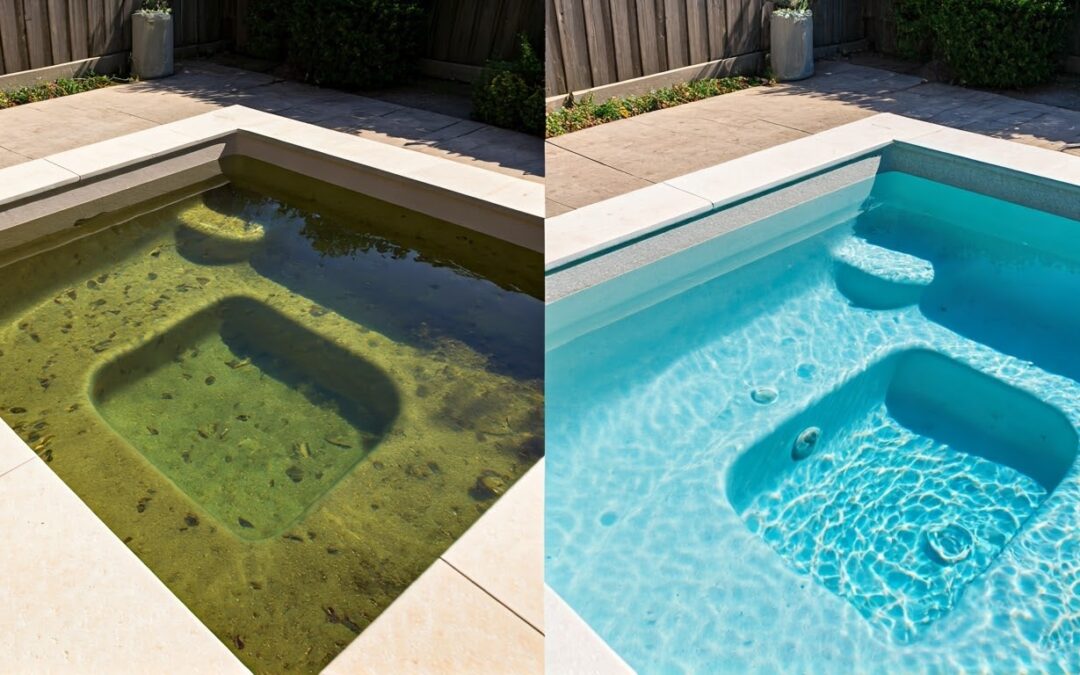
After investing time and money into a pool renovation or resurfacing project, the next important step is proper maintenance. Whether you’ve upgraded your tile, updated plumbing, or completed a full pool resurfacing, maintaining your new pool ensures it remains safe, efficient, and beautiful for years to come.
Here’s a comprehensive guide to help you take care of your pool after a pool repair or resurfacing project.
1. Follow the Initial Cure Period Guidelines
Immediately after pool resurfacing, your pool will undergo a curing process. During this time, the new surface settles and hardens. This period typically lasts 2 to 4 weeks, depending on the type of material used (e.g., plaster, quartz, pebble).
What to Do:
Brush the walls and floor daily to remove plaster dust and promote smooth curing.
- Run the pool pump continuously for at least the first 7 days.
- Avoid adding salt for the first 30 days unless otherwise directed.
- Maintain water levels and check chemical balances frequently.
2. Maintain Water Chemistry
Balancing water chemistry is crucial for prolonging the life of your resurfaced pool and minimizing the need for future pool repairs. Improper chemical levels can damage the surface and promote the growth of algae.
Key Factors to Monitor:
- pH level: Keep between 7.4 and 7.6.
- Chlorine: Maintain between 1.0 and 3.0 ppm.
- Calcium hardness: The Ideal range is 200–400 ppm.
- Alkalinity: Should be 80–120 ppm.
Check these levels at least twice a week and adjust accordingly. A pool test kit or professional service can help.
3. Clean Your Pool Regularly
Even after renovation, your pool is exposed to dirt, leaves, insects, and other debris. Regular cleaning keeps it sparkling and reduces the strain on filters and circulation systems.
Weekly Tasks:
- Skim surface debris.
- Empty skimmer and pump baskets.
- Vacuum the pool floor.
- Brush pool walls and steps.
This routine prevents dirt and algae from accumulating, particularly in hard-to-reach corners and other inaccessible areas.
4. Inspect for Early Signs of Damage
Catching issues early can save you from costly pool repair work in the future. Periodically inspect your pool for:
- Cracks or discoloration on the surface
- Loose or missing tiles
- Cloudy water or poor circulation
If you spot any of these signs, consult a pool repair professional promptly. Addressing minor issues early prevents them from turning into expensive repairs.
5. Keep Filtration and Circulation Systems in Top Shape
The filter and pump systems of your pool function in tandem to maintain clean and balanced water. Following pool resurfacing, ensure that the equipment is operating efficiently.
Maintenance Tips:
- Backwash filters as needed.
- Clean cartridges and baskets regularly.
- Check the pump for leaks or unusual noises.
- Schedule professional servicing at least once a year.
Well-maintained systems reduce wear and tear on your pool’s surface and improve overall water quality.
6. Use the Right Cleaning Products
Strong chemicals or rough tools might harm the newly finished surface. Always opt for pool-safe brushes and cleaning products, particularly in areas that have just been resurfaced. Refrain from using metal brushes unless they are expressly advised for your type of pool material.
7. Schedule Professional Inspections
While daily and weekly maintenance is essential, professional inspections and servicing can catch what you might miss. A qualified pool technician can identify hidden problems, fine-tune your system, and keep your pool in top condition.
Let the Experts Help You Protect Your Pool Investment
Trust Commercial Pool & Rec Products for all your pool resurfacing and pool repair needs. Whether you’re renovating a residential pool or maintaining a large commercial facility, we offer top-tier products and expertise to help you keep your pool looking and performing its best.
Recent Comments