
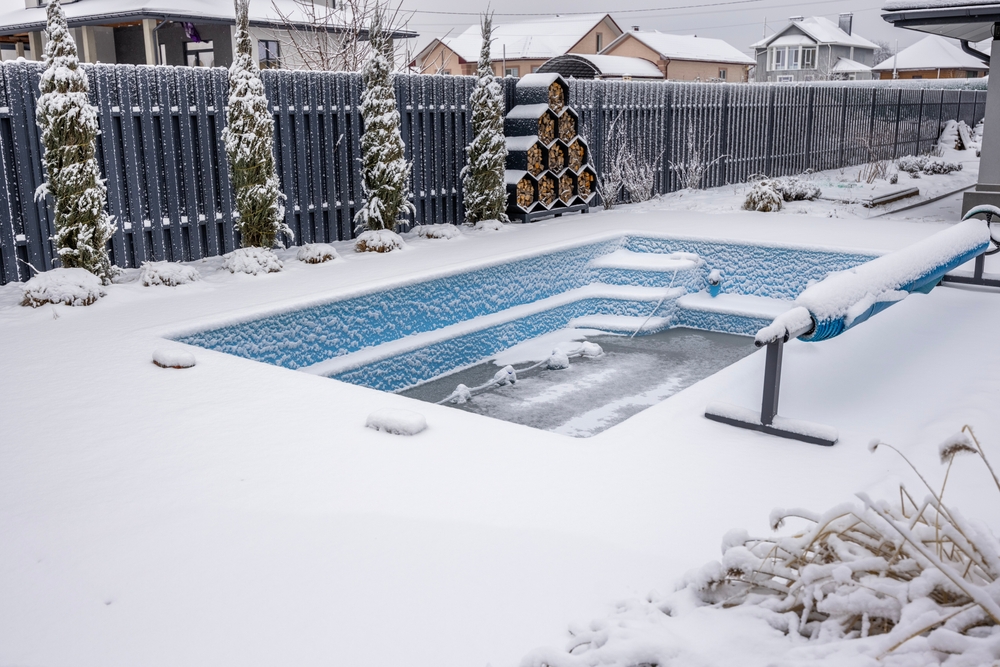
Winter weather can leave behind more pool damage than many property owners expect. Freezing temperatures, ice expansion, debris buildup, and months of inactivity often place stress on pool surfaces and equipment. When spring arrives, inspecting the pool carefully before reopening it becomes an important part of seasonal maintenance.
Addressing winter-related issues early may reduce repair costs and improve pool performance during the busy summer months. Small problems that go unnoticed in spring can gradually become more serious once the pool returns to regular use.
Inspect the Pool Surface for Cracks and Wear
Cold weather can affect pool finishes over time, especially when water freezes and expands inside small surface imperfections. Spring inspections should include checking for cracks, chipped areas, discoloration, or rough patches along the pool walls and floor.
In some cases, aging finishes may require pool resurfacing to restore both appearance and structural protection. Worn surfaces can become more difficult to clean and may contribute to additional moisture damage if ignored. Surface repairs completed early in the season may support better long-term durability.
Check for Plumbing and Leak Issues
Underground plumbing systems may also experience stress during freezing temperatures. Pipes, fittings, and valves can sometimes crack or shift due to winter expansion and contraction.
If water levels drop unexpectedly after reopening, professional pool repair inspections may help identify hidden leaks or circulation problems. Addressing plumbing concerns early may reduce water waste and prevent additional system damage.
Inspect Pool Equipment After Winter Storage
Pool pumps, heaters, and filtration systems often remain inactive for several months during colder weather. Before restarting equipment, inspect for signs of corrosion, worn seals, or electrical issues.
Preventive pool repair maintenance may help restore system efficiency and reduce the risk of unexpected breakdowns during peak summer use. Dirty filters and damaged pump components may also place additional strain on the overall system if left untreated. Early equipment testing allows property owners to finish critical repairs before temperatures soar.
Examine Tiles and Coping Areas
Winter moisture can affect surrounding pool structures as well. Loose tiles, cracked coping, or shifting deck materials may develop during freeze-thaw cycles.
If damage appears around edges or waterline areas, partial pool resurfacing or tile replacement may improve both appearance and safety. Keeping these areas in good condition also helps protect the pool structure from further water penetration.
Remove Debris and Clean Thoroughly
Pools often collect leaves, dirt, and organic debris throughout winter. Allowing debris to sit for extended periods may contribute to staining and water quality issues once the pool reopens.
A deep spring cleaning supports better circulation and prepares the pool for chemical balancing. Cleaning surfaces thoroughly may also make it easier to identify areas requiring pool repair or maintenance attention.
Prepare Your Pool for a Reliable Summer Season
Spring pool maintenance is about more than appearance alone. Addressing winter damage early may improve safety, extend equipment lifespan, and reduce the likelihood of costly repairs later in the year. Regular inspections, cleaning, and surface maintenance all contribute to smoother seasonal operation and more enjoyable pool use.
Start the Season with a Pool That Is Ready to Perform!
Commercial Pool & Rec Products provides resurfacing, maintenance, and restoration services to get pools ready for high summer usage following severe winter weather. From addressing surface wear to improving system reliability, we ensure proper spring servicing to support a cleaner, safer, and more enjoyable swimming environment throughout the season.
Recent Comments