
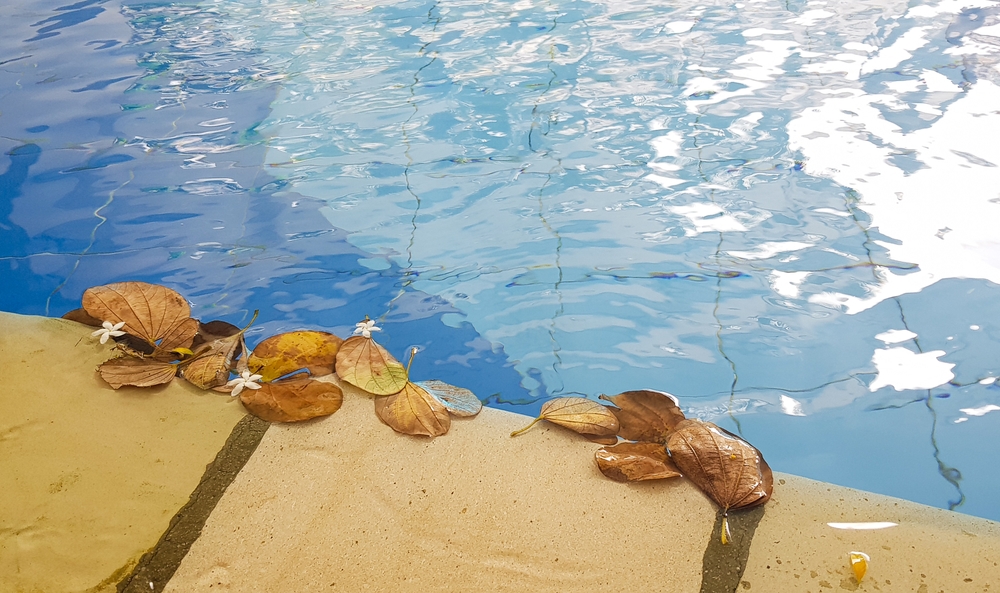
As the temperature begins to drop and leaves start to fall, pool owners often assume maintenance can wait until spring. However, autumn weather can have a surprisingly strong impact on your pool’s condition, especially its surface.
Understanding how fall elements affect your pool and taking preventive action can help you avoid expensive pool repair or pool resurfacing later on.
The Effects of Falling Temperatures
When the weather cools, pool water experiences temperature fluctuations between warm days and cold nights. These repeated changes can cause concrete, plaster, and other pool surface materials to expand and contract. Over time, this thermal stress may lead to small cracks or surface erosion.
If left unaddressed, these minor imperfections can develop into larger problems, such as chipping, flaking, or staining. For pools with plaster finishes, the fall season can accelerate wear, making pool resurfacing necessary sooner than expected.
To reduce temperature-related damage, consider using a pool cover when the pool is not in use. It helps stabilize water temperature, prevents debris buildup, and reduces chemical loss.
Falling Leaves and Organic Debris
One of the biggest challenges of fall is the constant accumulation of leaves, pine needles, and organic debris. When these materials sit in the water too long, they begin to decompose, releasing tannins and other natural acids. These substances can stain pool surfaces and alter the pH balance of the water.
Organic debris can also clog filters and skimmers, reducing circulation and causing surface discoloration. Regular cleaning is essential—use a leaf net or skimmer daily, and empty filter baskets frequently.
If stains have already developed, professional pool repair may be required to restore the surface to its original appearance. In some cases, gentle acid washing or pool resurfacing might be needed if staining has penetrated deeper layers.
Chemical Imbalance During Cooler Months
With fewer swimmers and less sunlight, pool chemistry tends to fluctuate during the fall. Chlorine levels often drop, while pH and alkalinity can rise, creating conditions that damage the surface. High pH levels can cause scaling, while low pH can make the water corrosive—both of which degrade plaster and concrete finishes over time.
To prevent this, continue testing and balancing your pool water regularly. Even if you are not using the pool daily, maintaining proper chemical levels helps protect the surface and equipment from deterioration. Consistent care can minimize the need for costly pool repair in the future.
Rain, Wind, and Environmental Factors
Autumn often brings wind and rain, which can introduce dust, pollen, and contaminants into the water. Heavy rain can dilute pool chemicals, alter pH balance, and increase calcium hardness. Wind, on the other hand, carries debris that can scratch or stain the surface if not removed promptly.
After any significant rainfall, test your pool’s water chemistry and adjust as needed. If your pool is surrounded by trees or open space, consider installing windbreaks or trimming branches to reduce debris accumulation. These small preventive measures can go a long way in protecting your pool finish and extending its lifespan.
When to Consider Pool Resurfacing
If your pool surface shows visible signs of wear—cracks, rough patches, discoloration, or peeling—fall is an excellent time to schedule pool resurfacing. The cooler temperatures make it easier to complete surface treatments, and your pool will be ready for the next swimming season.
Protect and Restore Your Pool with the Experts!
Ensure your pool stays in peak condition this season with professional help from Commercial Pool & Rec Products. Whether you need expert pool repair, pool resurfacing, or advice on seasonal maintenance, their team provides reliable solutions to keep your pool safe, clean, and long-lasting.
Recent Comments