
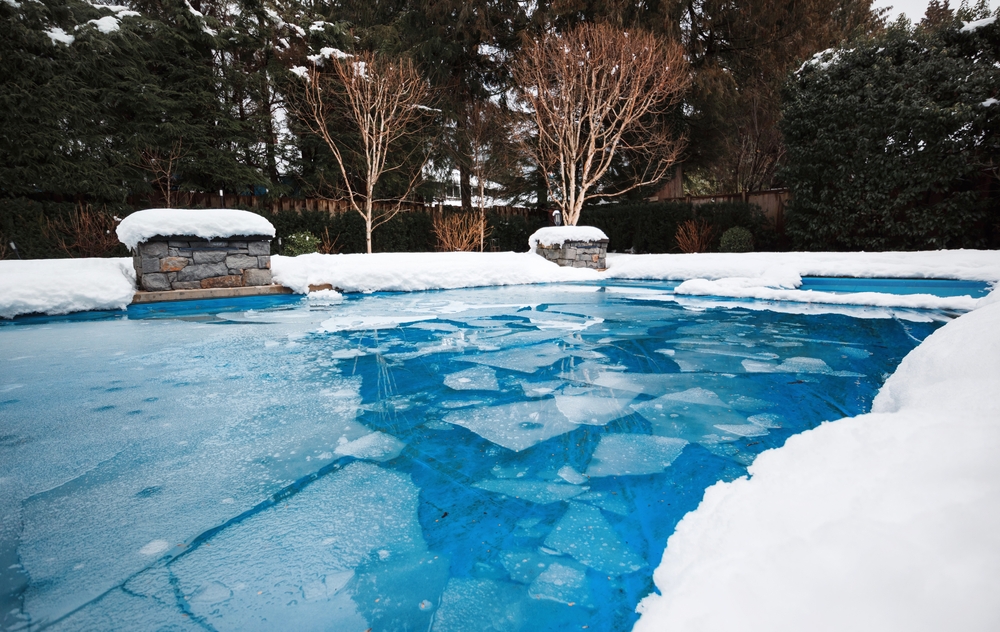
As temperatures begin to drop, many pool owners shift their focus away from swimming and toward winter preparation. While covering the pool and balancing chemicals are common steps, one important task is often overlooked: addressing existing damage before cold weather sets in. Scheduling pool repair work before winter may help prevent small issues from turning into costly problems once freezing temperatures arrive.
Why Cold Weather Is Hard on Pools
Winter conditions can be especially tough on swimming pools. As water freezes, it expands. This expansion can place pressure on pool surfaces, plumbing lines, and structural components. Even minor cracks or worn areas that seem manageable during warmer months may worsen when exposed to repeated freeze-thaw cycles.
Moisture that seeps into damaged surfaces can freeze overnight, causing materials to expand and contract. Over time, this movement may lead to larger cracks, surface delamination, or plumbing issues that are more expensive to address in the spring.
Identifying Issues Before Winter
Fall is an ideal time to inspect your pool carefully. Look for visible cracks, rough patches, discoloration, or areas where the surface feels uneven. These signs often indicate underlying wear that could worsen in cold weather.
Addressing problems early allows pool professionals to complete pool repair work while conditions are still suitable. Repairs performed before winter may help extend the lifespan of the pool and reduce the likelihood of emergency fixes once the swimming season returns.
The Importance of Pool Resurfacing Before Freezing Temperatures
Pool resurfacing is one of the most effective ways to protect a pool from winter damage. Over time, pool surfaces can become porous, allowing water to penetrate below the top layer. When winter arrives, trapped moisture can freeze and compromise the integrity of the surface.
By scheduling pool resurfacing before winter, pool owners may help seal the surface, reduce water absorption, and create a more durable barrier against harsh weather. A refreshed surface also provides a smoother finish that can improve comfort and appearance once the pool reopens.
Protecting Plumbing and Structural Components
Beyond the pool surface, damaged plumbing or fittings can also be affected by cold weather. Small leaks or weak joints may not seem urgent during the summer but can lead to cracked pipes when temperatures fall below freezing.
Completing necessary pool repair work before winter allows professionals to inspect and address these vulnerabilities. This proactive approach may help reduce the risk of water loss, underground damage, and unexpected repair costs in the spring.
Cost and Convenience Benefits
Scheduling repairs in the fall often comes with practical advantages. Contractors may have more availability before peak spring demand begins, making it easier to book inspections and services. Addressing issues ahead of time may also help avoid higher costs associated with emergency repairs after winter damage has already occurred.
In addition, a well-maintained pool is easier to open when warmer weather returns. Instead of starting the season with repair delays, pool owners can focus on cleaning, balancing water, and enjoying their space.
Preparing for a Smoother Spring Opening
Pools that enter winter in good condition are more likely to emerge ready for use with minimal effort. Repairs and resurfacing completed before freezing temperatures may help ensure that covers fit properly, water levels remain stable, and structural components remain intact.
This preparation can make spring opening less stressful and more predictable, especially for commercial or shared pool facilities that operate on strict schedules.
Prepare Your Pool for Winter with Confidence!
If your pool needs attention before cold weather arrives, Commercial Pool & Rec Products offers professional support to help address repairs and surface concerns before winter sets in.
Recent Comments