
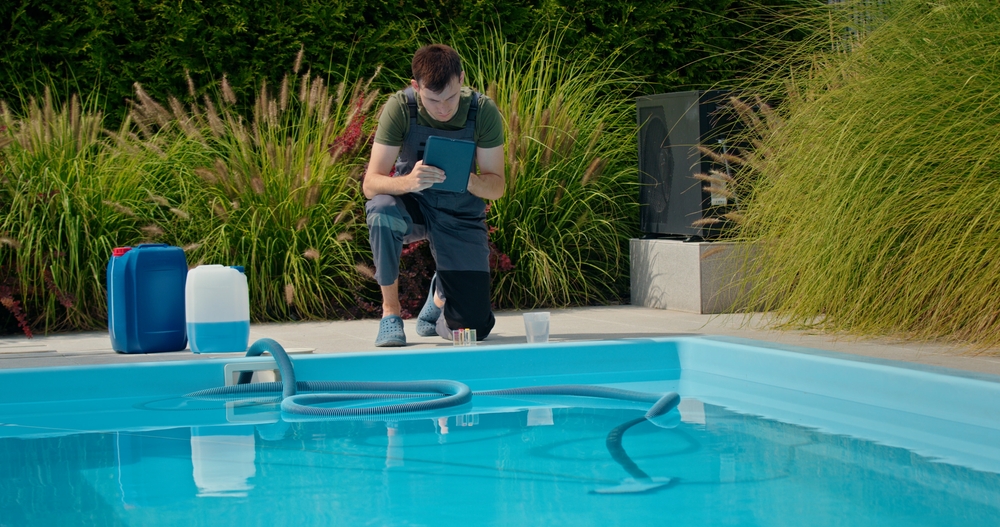
As temperatures begin to rise, many property owners start preparing pools for the busy summer season. Winter weather, inactivity, and changing temperatures can all affect pool surfaces, equipment, and water systems. The best time to check for damage and finish maintenance before starting regular use is in the spring.
A detailed seasonal checklist may help identify small problems early and reduce the risk of larger repair issues later in the season. Whether managing a residential or commercial pool, proper preparation supports cleaner water, safer operation, and improved long-term performance.
Inspect the Pool Surface Carefully
One of the first steps in spring preparation is checking the pool surface for visible wear or damage. Cracks, stains, rough patches, or peeling finishes may become more noticeable after winter exposure.
In some cases, aging surfaces may require pool resurfacing to restore appearance and improve durability. Resurfacing may also improve comfort by creating a smoother and more even finish for swimmers. Addressing surface damage early may prevent moisture penetration and additional structural concerns later in the season.
Check Water Levels and Plumbing Systems
Winter conditions can sometimes affect underground plumbing lines, fittings, and return systems. Before fully reopening the pool, inspect for leaks, low water levels, or unusual pressure changes.
Professional pool repair services may be necessary if pumps, valves, or plumbing systems show signs of damage or poor circulation. Even small leaks can gradually increase water loss and operating costs over time. Proper water circulation is important for maintaining balanced chemical levels and overall pool cleanliness.
Inspect Pumps, Filters, and Heaters
Pool equipment often sits unused for extended periods during colder months. Spring maintenance should include testing pumps, filtration systems, heaters, and electrical connections before regular operation resumes.
Dirty filters or worn pump components may reduce efficiency and place additional stress on the system. Scheduling preventive pool repair inspections may help identify equipment problems before peak swimming season begins. Well-maintained systems also support better water clarity and more consistent temperature control.
Examine Tiles and Deck Areas
Pool decks and surrounding surfaces should also be inspected during spring preparation. Guests and swimmers may be at risk due to loose tiles, fractured concrete, or slick spots.
If waterline tiles appear damaged or surfaces feel rough, partial pool resurfacing work may improve both appearance and safety. Cleaning buildup around edges and deck areas also helps refresh the overall look of the pool environment.
Balance Water Chemistry Early
After reopening the pool, testing and balancing water chemistry becomes essential. Improper chemical levels may affect water clarity, damage equipment, and contribute to algae growth.
Spring maintenance often includes shocking the pool, balancing pH levels, and inspecting sanitation systems. Addressing water issues early supports cleaner swimming conditions throughout the season. Consistent monitoring may also reduce strain on filtration equipment and support long-term system performance.
Prepare for a Smooth Summer Season
Completing repairs and inspections in spring creates a stronger foundation for reliable summer pool use. Identifying surface wear, equipment issues, or circulation problems early may reduce interruptions once swimming season begins. Routine pool repair and maintenance also contribute to a cleaner and more enjoyable pool environment during periods of heavy use.
Refresh Your Pool Before Summer Arrives!
Commercial Pool & Rec Products provides support for pool maintenance, repair solutions, and resurfacing projects designed to improve long-term pool performance. We can help to ensure reliable swimming environments for both residential and commercial properties with seasonal inspections and professional upgrades.
Recent Comments